The pollution of our groundwater is a major problem, and although on a global scale, we as individuals can make little impact, on a local level, we can.
Looking After our Wildlife
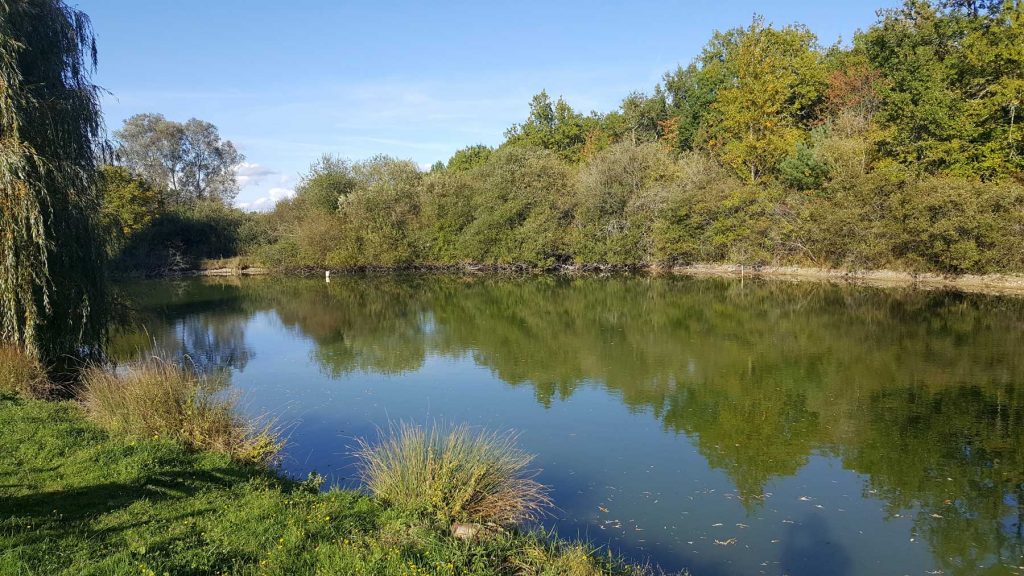
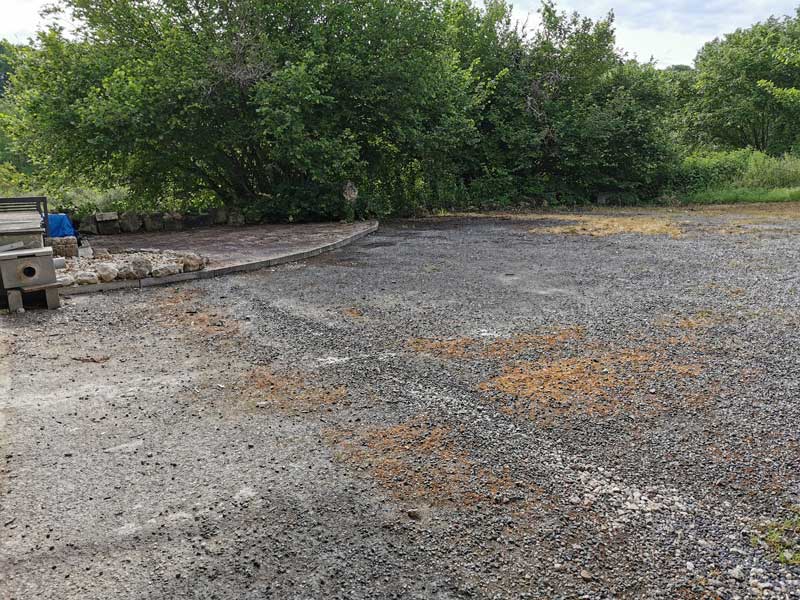
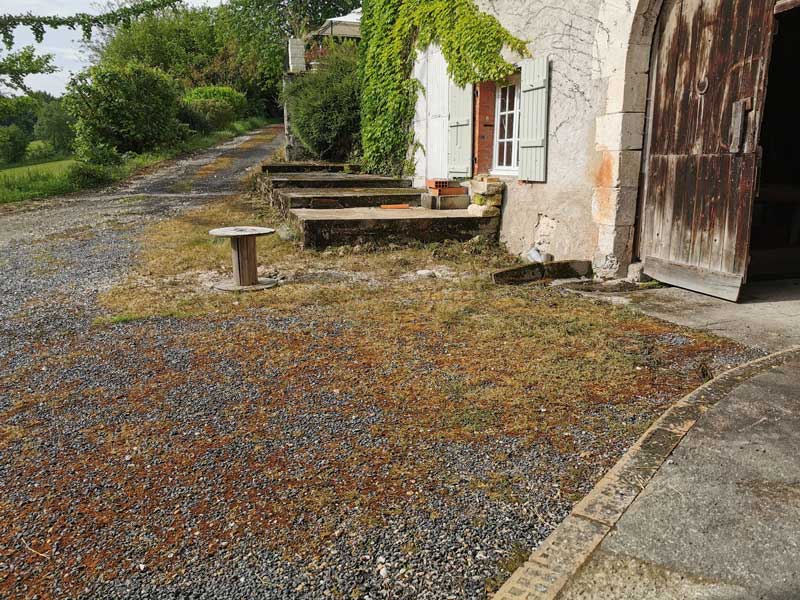
We were asked by the owners of a gite complex to advise on the weed control strategy on driveways and parking areas. The gardens incorporate a large lake which acts as a feed to smaller lakes down the wooded valley. The lake and woodland is an important sanctuary for wildlife. Pollutants in the lake will create potential problems up through the food chain, and therefore placing wildlife under further environmental pressures.
The owners also pointed out the risks to their own pets if chemical herbicides are used in and around the gardens.
Herbicides come in different forms, controlling weeds using different methods. The most effective herbicides are systemic, the action of the chemical destroying the root of the plant.
The herbicides used for controlling weeds and vegetation growth on hard surfaces is non selective and kills all plant growth.
Persistent herbicides, as they can be named, remain active in the environment for long periods of time, potentially creating contamination of soils and water, and adversely effect non target organisms. In some cases, compounds that result from herbicide degradation may continue to be significantly toxic in the environment.
Alternatives to persistent herbicides, such as vinegar, act as a contact herbicide, killing the part of the plant it comes into contact with, but not necessarily the roots. For small areas in a domestic setting, the use of white vinegar mixed with soap and or vegetable oil can be effective. But many persistent weeds will re emerge as root stock is still active.
The conclusion we must arrive at, is to design our outdoor spaces to be as natural as possible, negating the need to use weed control methods wherever possible. Where we do need to control weed and vegetation growth we need to use systems that impact the environment the least.
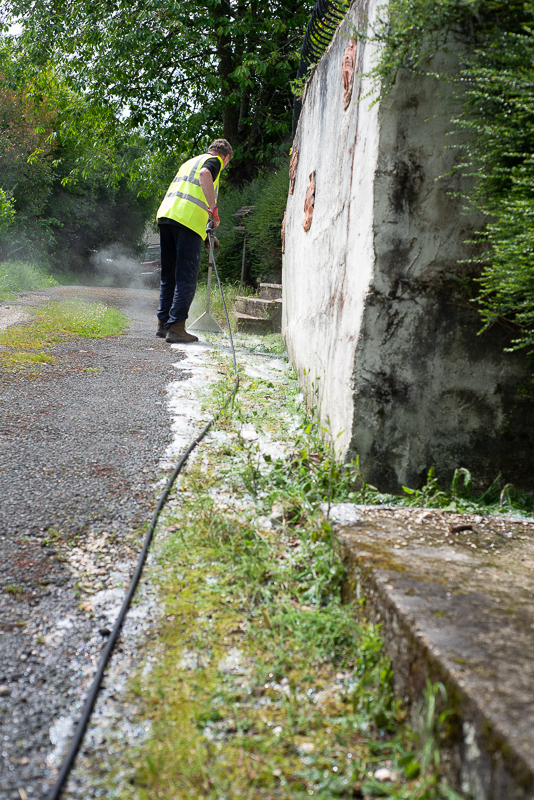
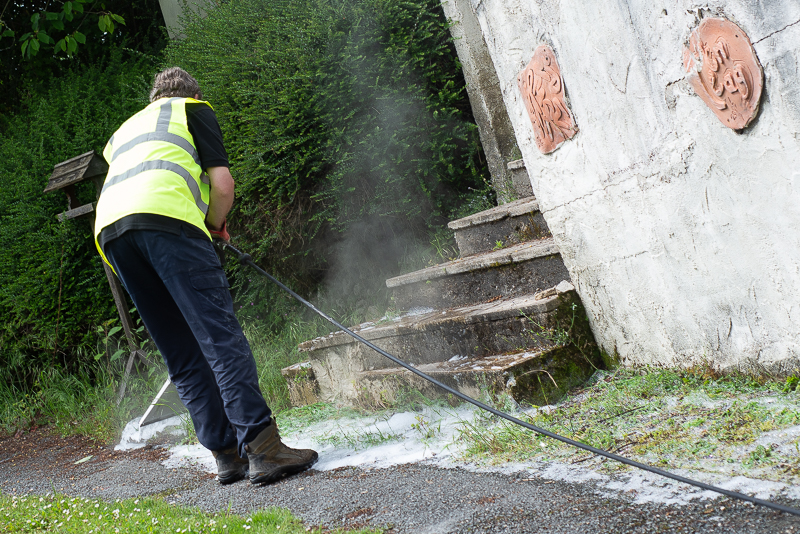
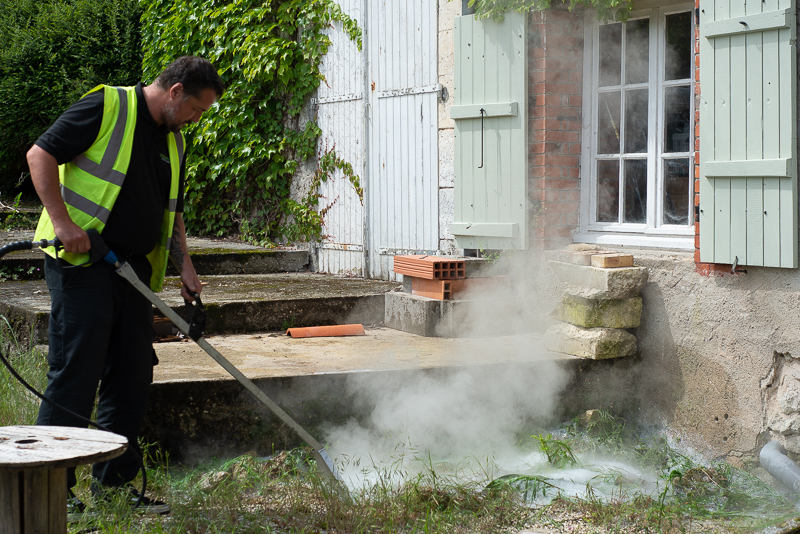
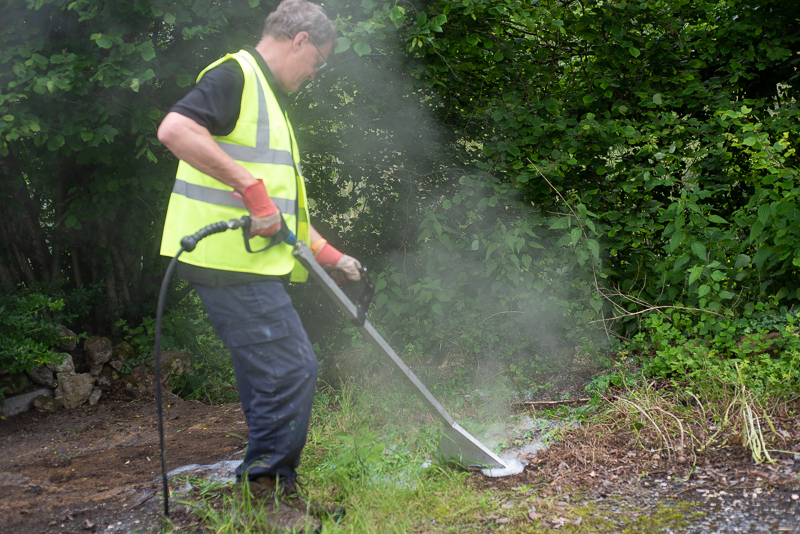
Coming back to our clients, the control of pernicious weeds around their buildings without potential damage to the local environment, requires the use of safer and more effective systems.
A few days later ...
Have a look at the before and after on our video ...